
Tree Guide
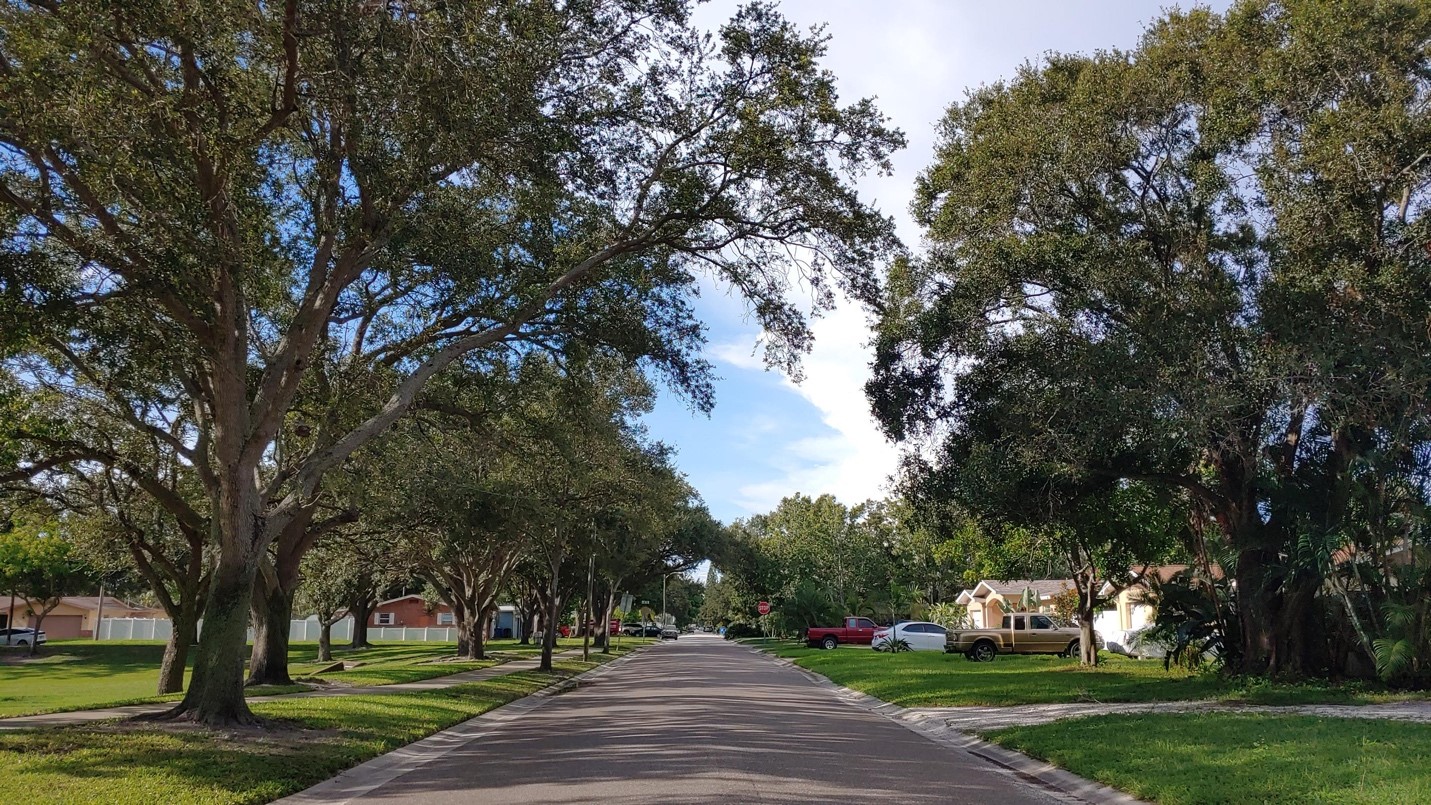
What Trees Should I Plant in Draper?
A. Street Trees:
- Street trees shall be selected from the adopted Draper City street tree guide.
- Street trees shall not be located within park strips less than five feet (5') wide.
- Street trees shall be provided at a minimum ratio of one (1) tree for each forty feet (40') of street frontage.
- Street trees shall be at least two inches (2") in caliper at time of planting.
- In areas where there is no sidewalk or five feet (5') or less between the sidewalk and curb, street trees shall be installed within fifteen feet (15') of the right-of-way.
- Street trees shall be irrigated through the use of bubblers or drip irrigation.
B. Maintenance: Property owners are responsible for the irrigation and maintenance of required street trees and other vegetation in park strips abutting their property pursuant to Section 9-23-140. (Ord. 394, 8-7-2001; amd. Ord. 1583, 6-20-2023)
Draper City Tree Retention Agreement
(This agreement is only applicable to residents who receive a notice of tree removal)
Draper City Landscaping Standard Details
|
Trees in Park Strips 5 Feet or Larger Beneath Power Lines |
|
|---|---|
|
Botanical Name |
Common Name |
|
Acer campestre ‘Metro Gold’ only |
|
|
Acer griseum** |
|
|
Acer tataricum (all cultivars)** |
|
|
Acer truncatum ‘Main Street’** |
|
|
Amelanchier laevis and Amelanchier x grandiflora (cultivars 15-25' tall) |
|
|
Cercis canadensis (cultivars 15-25' tall only) |
|
|
Malus cultivars non-weeping (fruitless cultivars are available, although many have persistent fruit) |
|
|
Prunus cerasifera cultivars |
|
|
Prunus serrulata |
|
|
Syringa pekinensis cultivars |
|
|
Syringa reticulata cultivars |
|
|
Zelkova serrata (‘Wireless’ and ‘City Sprite’ cultivars only) |
Japanese Elm |


.jpg)
.jpg)
.JPG)
.jpg/640px-American_Eastern_Redbud_Tree_(Cercis_canadensis).jpg)


| Trees in Park Strips 5 Feet or Larger Without Power Lines (all trees listed above, plus the following) |
|
|---|---|
|
Botanical Name |
Common Name |
| Acer campestre** | Hedge Maple |
| Acer miyabei** | State Street Maple |
| Acer negundo** | Sensation Maple |
| Acer truncatum x A. platanoides cultivars** | Sunset Maple |
| Amelanchier laevis and Amelanchier x grandiflora (all cultivars) | Serviceberry |
| Celtis occidentalis (cultivars 35’ wide or less) | Common Hackberry |
| Cercis canadensis (cultivars 15’ tall and higher) | Eastern Redbud |
| Crataegus crus galli inermis (thornless cultivars only) |
Thornless Cockspur Hawthorn |
| Crataegus phaenopyrum | Washington Hawthorn |
| Fagus sylvatica (Dawyck Purple, Fastigiata, and Red Obelisk cultivars) | Columnar Beech |
| Ginkgo biloba (male cultivars only, most cultivars are) | Ginkgo |
| Gleditsia triacanthos (seedless cultivars only, most cultivars are) | Honeylocust |
| Koelreuteria paniculata | Goldenrain Tree |
| Parrotia persica | Ironwood |
| Quercus robur fastigiata cultivars | Columnar Oak |
| Sophora japonica | Japanese Pagoda Tree |
| Tilia cultivars | Linden |
| Ulmus (cultivars 35’ wide or less) No weeping ‘Camperdown’ No “Siberian Elm” |
Elm |
| Zelkova cultivars | Zelkova |


.JPG/640px-A21-1-Amelanchier_laevis_(Allegheny_Serviceberry).JPG)
_-_geograph.org.uk_-_5747742.jpg/640px-Hackberry_tree_(Celtis_occidentalis)_-_geograph.org.uk_-_5747742.jpg)


._-_Budapest_District_XI.JPG/640px-Buda_Arboreta._Upper_garden._Persian_ironwood_(Parrotia_persica)._-_Budapest_District_XI.JPG)
.jpg/640px-Quercus_robur_fastigiata_(Rentilly).jpg)


|
Trees in Park Strips of 10 Feet or Larger Without Power Lines |
|
|---|---|
|
Botanical Name |
Common Name |
|
Acer pseudoplatanus |
|
|
Catalpa speciosa |
|
|
Celtis occidentalis |
|
|
Cladrastis kentukea* |
|
|
Gymnocladus dioicus (seedless cultivars only) |
|
|
Liriodendron tulipifera |
|
|
Quercus macrocarpa |
|
|
Quercus muehlenbergii* |
|
|
Quercus shumardii* |
|
|
Tilia cultivars |
|
|
Ulmus cultivars |
|
,_next_to_Hadrian’s_Wall_UK.jpg/640px-2018-06-07_02_Sycamore_Gap_Tree_(Acer_pseudoplatanus),_next_to_Hadrian’s_Wall_UK.jpg)
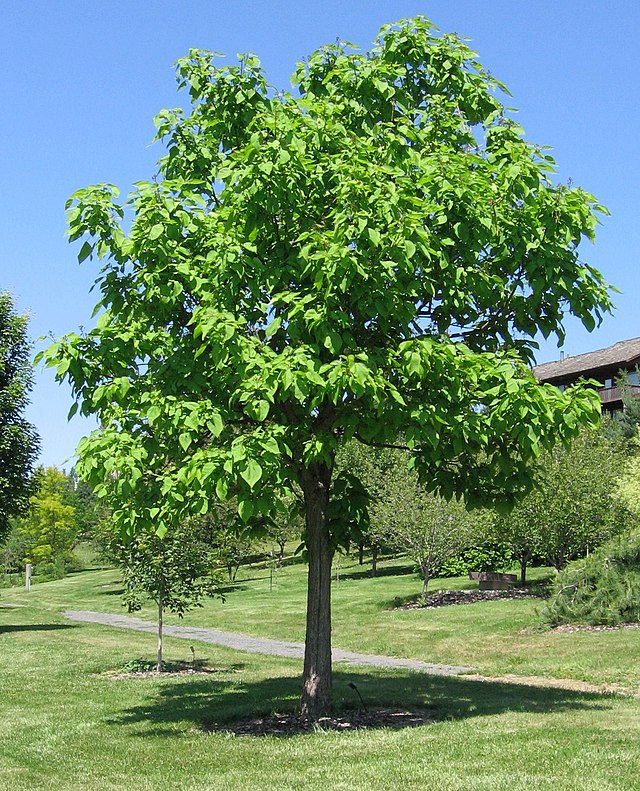

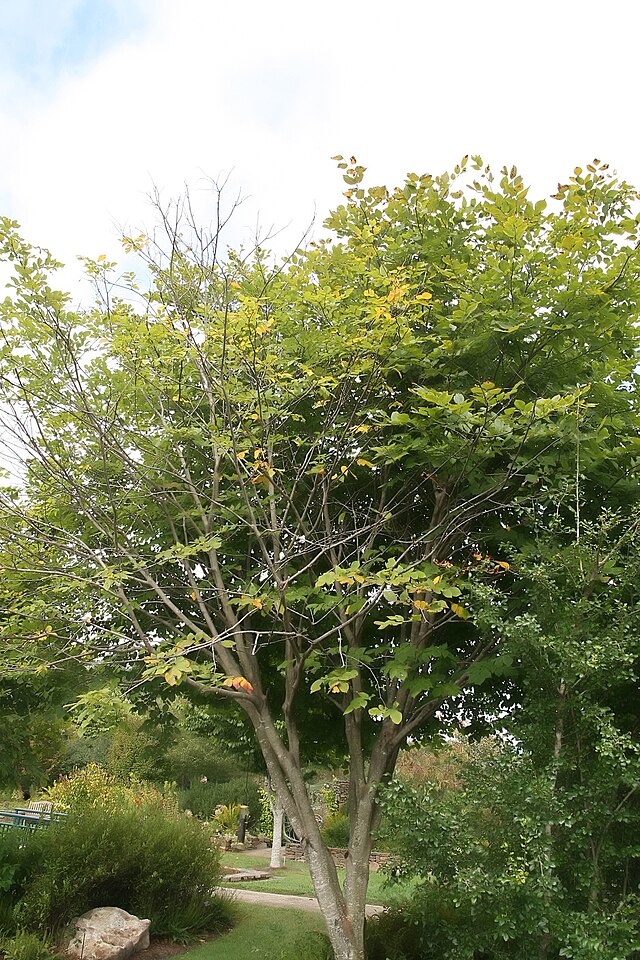

_-_Laeken.JPG/640px-Liriodendron_tulipifera_(arbre)_-_Laeken.JPG)
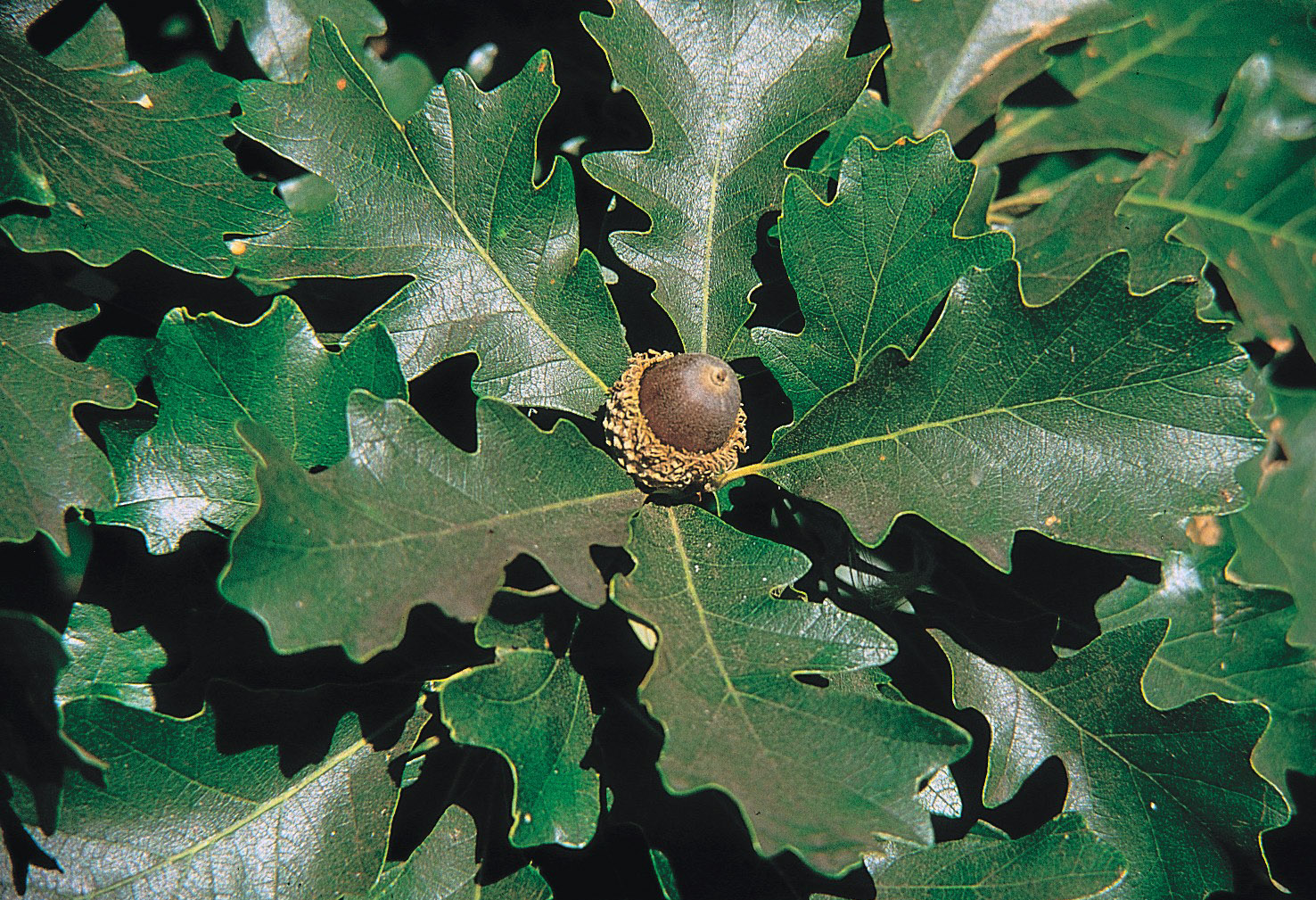
.jpg/640px-Quercus_muehlenbergii_(23915841420).jpg)
.jpg/640px-Quercus_shumardii_(23513729304).jpg)


|
Trees in Park Strips Above 5,000 Feet Elevation Park Strips 5 Feet or Larger |
|
|---|---|
|
Botanical Name |
Common Name |
|
Acer ginnala cultivars** |
|
|
Acer grandidentatum cultivars*,** |
|
|
Acer tartaricum cultivars** |
|
|
Amelanchier laevis and Amelanchier x grandiflora cultivars |
|
|
Juniperus scopulorum cultivars |
|
|
Quercus gambelii |
|


.jpg/640px-Acer_tataricum_(fruits).jpg)


| Park Strips 10 Feet or Larger (all trees listed above for 5000' and 5' or larger, plus the following) |
|
|---|---|
|
Botanical Name |
Common Name |
|
Celtis occidentalis |
|
|
Pinus aristata |
|
|
Pinus edulis |
|
_(31151186202).jpg)

| Conifers: Best in Groupings at Entrances to Developments and in Non-Traditional Park Strips at Least 20 Feet Wide Without Power Lines | |
|---|---|
|
Botanical Name |
Common Name |
|
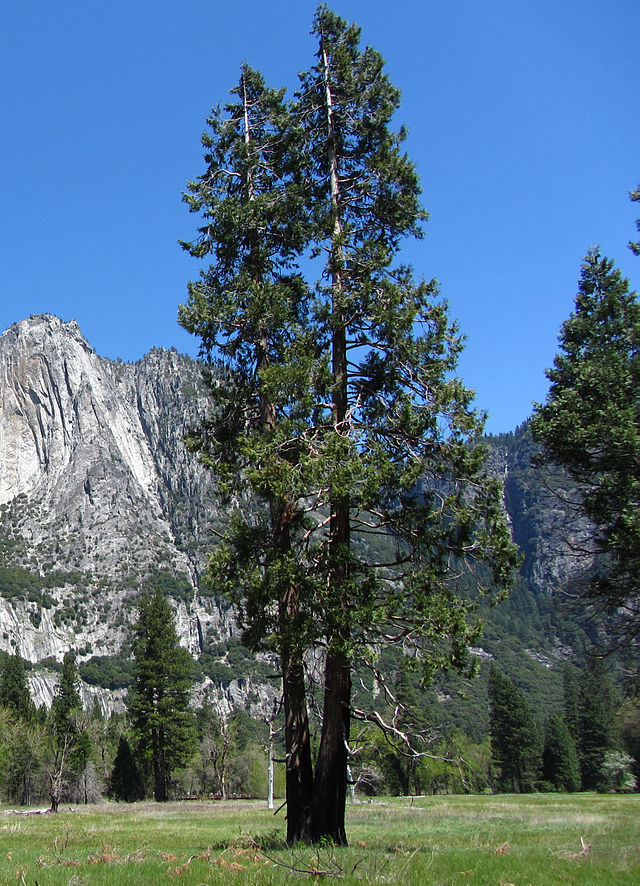
Abies concolor |
|
|
Calocedrus decurrens |
|
|
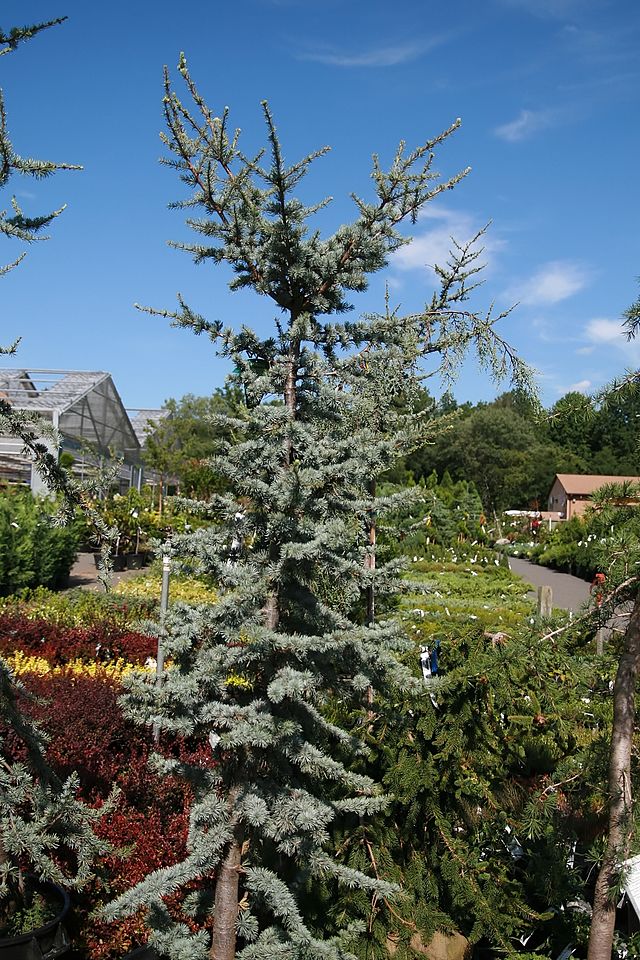
Cedrus atlantica glauca cultivars |
|
|
Cedrus deodara cultivars |
|
|
Chamaecyparis nootkatensis cultivars |
|
|
Cupressus glabra |
|
|
Juniperus |
|
|
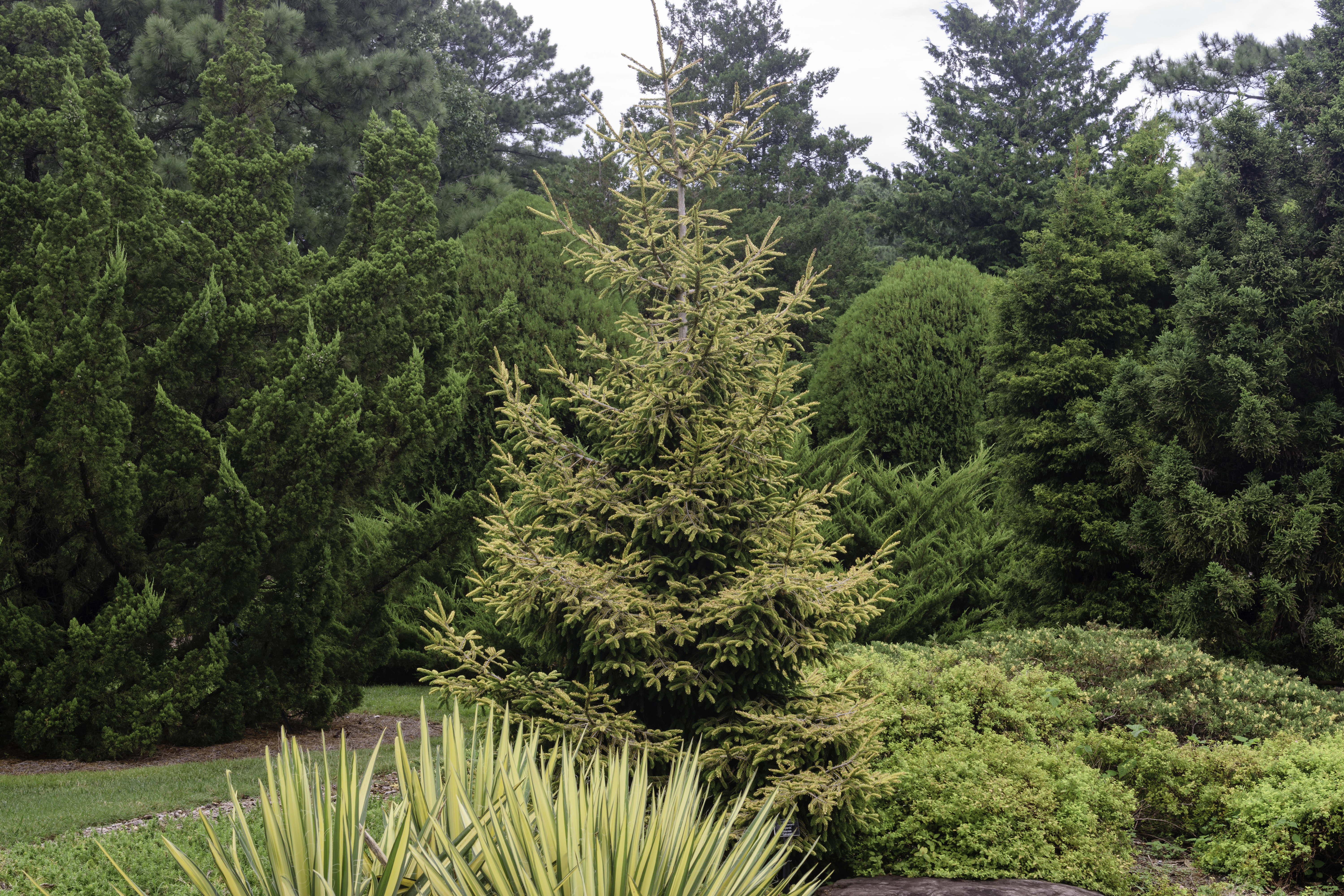
Picea abies* |
|
|
Picea glauca* |
|
|
Picea pungens (glauca) cultivars* |
|
|
Picea mariana* |
|
|
Picea omorika* |
|
|
Picea orientalis* |
|
|
Pinus flexilis cultivars |
|
|
Pinus leucodermis cultivars |
|
|
Pinus monophylla |
|
|
Pinus nigra cultivars |
|
|
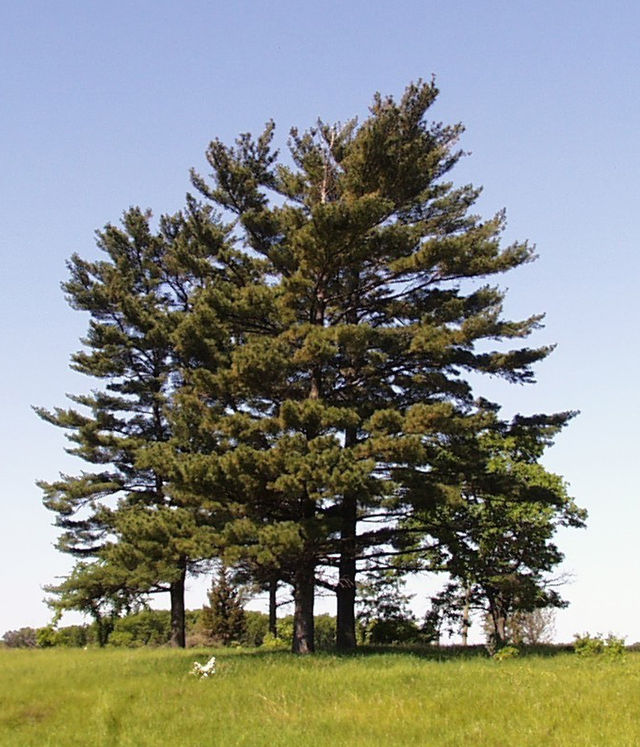
Pinus strobus |
|
|
Pinus sylvestris |
|
|
Pseudotsuga menziesii |
|

_-_geograph.org.uk_-_3604998.jpg/640px-Deodar_Cedar_(Cedrus_deodara)_-_geograph.org.uk_-_3604998.jpg)






|
Trees for Other Public Places |
|
|---|---|
|
Botanical Name |
Common Name |
|
Magnolia cultivars |
|
|
Populus canadensis ‘Robusta’ |
|
|
Populus deltoides ‘Siouxland’ |
|
|
Populus acuminata |
|
|
Prunus cerasifera cultivars* |
|
|
Prunus virginiana ‘Canada Red’ |
|
|
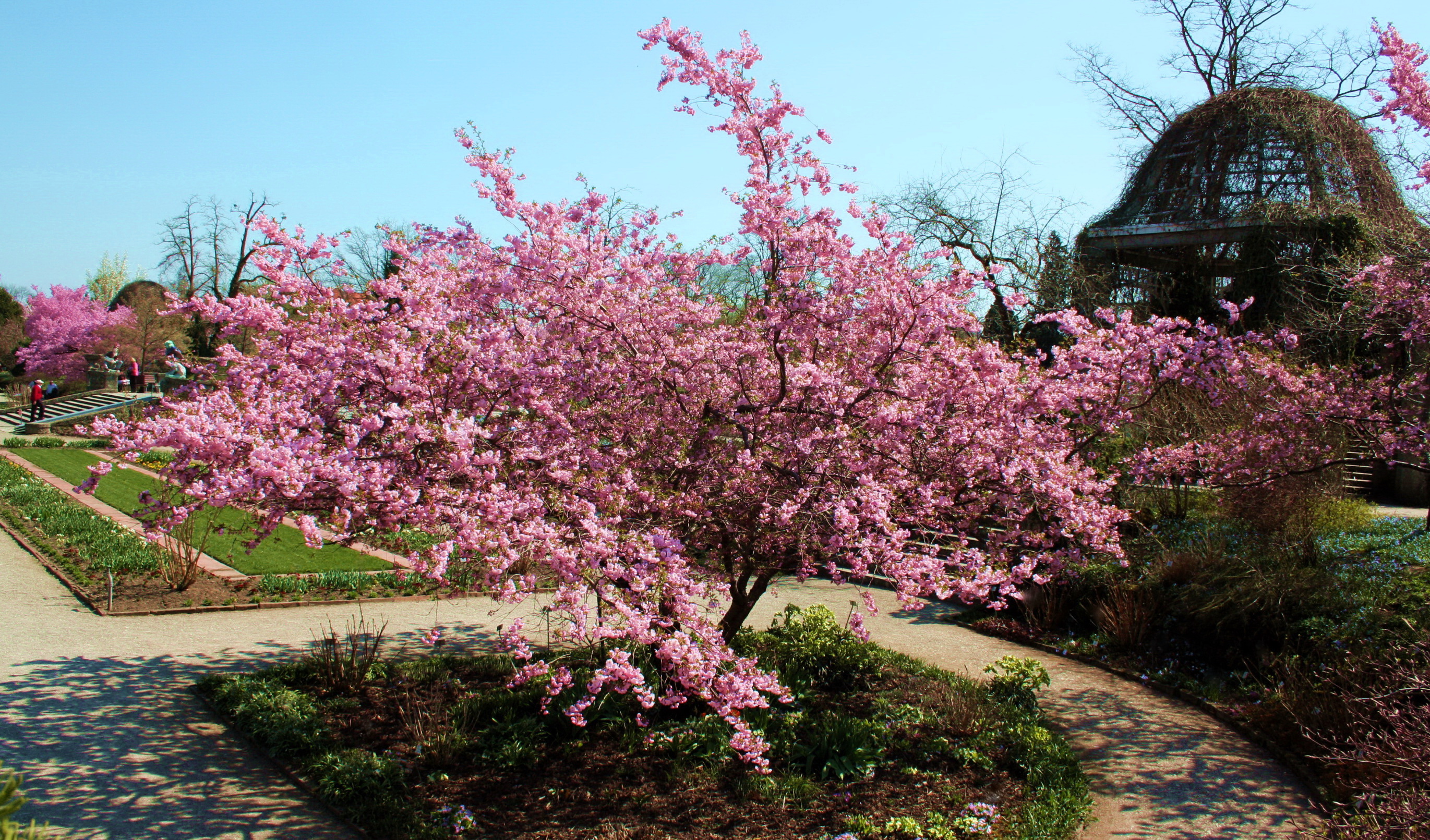
Prunus sargentii, serrulata, and yedoensis |
Flowering Cherry |


.jpg)


|
For more diversity in public places, although may not be readily available: |
|
|---|---|
|
Botanical Name |
Common Name |
|
Albizia julibrissin |
|
|
Chionanthus retusus or virginicus* |
|
|
Eucommia ulmoides |
|
|
Maclura pomifer ‘Wichita’ |
|
|
Metasequoia glyptostroboides |
|
|
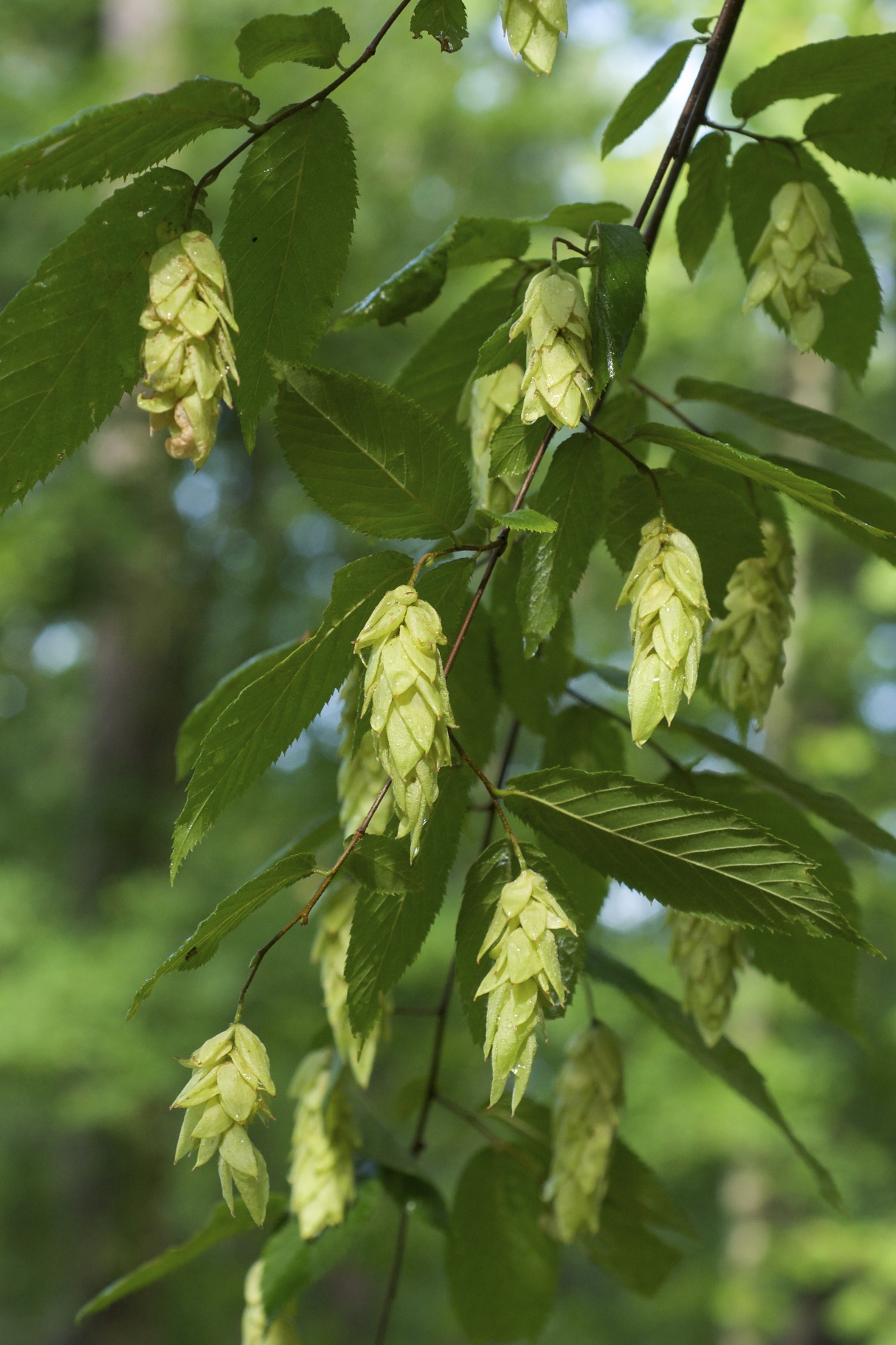
Ostrya virginiana* |
|
|
Phellodendron amurense |
|
|
Pistacia chinensis* |
|
|
Salix species (Wet areas only) |
|
|
Taxodium distichum |
|

.jpg)

_(36519128341).jpg)



*These species do not do well with secondary water.
**Maples are the only trees on this guide that can be considered firewise if used properly in the landscape and properly maintained. Use of firewise plants alone does not guarantee fire safety for you or your home. They require strategic location, maintenance, and supplemental moisture to help reduce the intensity of wildfires.
Soil Testing
It is recommended that you have your soil tested to make sure it does not have verticillium wilt. Some trees will survive with this present, but it will kill others, especially maples. In trees, symptoms can appear any time but often start in hot, dry weather. Leaves will be smaller than usual and the margins may brown, looking like they are scorched. Leaves may wilt on some large branches in the crown, or on the entire side of the tree before eventually dying. Another indicator is the tree produces more seeds than usual.