Draper Wellness

A community coalition focused on providing health education and resources.

Digital Safety

Across Draper and Utah, people are finding it harder to deal with problems caused by digital technology. While screens help us connect, they also put kids, adults, and older people at risk of harm to their mental health, safety, and money. Draper Wellness wants to make people aware of these risks and give our community useful ways to safely handle the digital world.

Keeping Our Kids Safe and Teaching Them Well

Children in Draper and all over Utah face dangers such as cyberbullying, online predators, seeing pornography, and the negative effects of social media on their self-esteem and mental well-being.

The Utah Student Health and Risk Prevention (SHARP) Survey from 2025 shows that 81.7% of students across the state say their parents have rules about screen time, what they can see, and how they use devices. However, only about half of these students say those rules are always followed, and nearly 1 out of 3 students report that their parents never enforce them.

SHARP data consistently shows a strong connection between spending too much time on screens and problems like not getting enough sleep, feeling sad, thinking about suicide, and doing worse in school. Young people in Utah who regularly eat meals with their families are much less likely to feel depressed or think about suicide. Strong connections within families and the community act as important ways to protect them.

Draper families can help by setting clear limits, talking openly, and focusing on real-world connections.

Helpful Advice and Tools:

  • Set and make sure clear screen time limits are followed.
  • Make family meals and activities together a priority.
  • Encourage open talks—kids with connected families do better, according to SHARP data. CHAT is a new program aimed at making sure children grow up with strong mental health, and this begins with important communication and connections.
  • Use NetSafe Utah for free training on how to be a good digital citizen, stay safe on social media, and avoid predators.
  • Follow Utah PTA advice: Turn on parental controls, check software, and keep devices in common areas of the house.
  • Register with the Utah Child Protection Registry to to stop adult content from reaching kids.
  • Report exploitation to the Utah Attorney General’s ICAC Task Force, which looks into online crimes against children (they opened 179 new cases in 2025 alone).

Protecting Adults

Adults can also be at risk from harmful online behaviors and security dangers. Since many daily activities and social interactions now happen online, issues like identity theft, using technology too much (which can hurt relationships), and digital habits that affect mental health are happening more often.

Advice and Help:

  • Always use strong passwords, turn on two-factor authentication (which adds an extra security step), and check your accounts regularly.
  • Decide how much time you will spend on screens to protect your real-life relationships.
  • If you experience online crimes or identity theft, report it to the Utah Statewide Information & Analysis Center (SIAC).

Fraud and Scams Against Older Adults

Older adults in Utah are often targeted by scams such as phishing (fake emails or messages), romance scams, and fake tech support calls. These can cause serious financial and emotional problems.

Advice and Help:

  • Never feel pressured or panicked. Scammers often try to make you act quickly, demanding money right away through gift cards, wire transfers, or cryptocurrency. Before you do anything, check with a trusted family member to make sure the claims are real.
  • Carefully check your Explanation of Benefits (EOB) statements, medical bills, and bank accounts. If you see deposits you don't recognize or strange withdrawals, these are big warning signs.
  • Never click on links in text messages or emails you weren't expecting (like those about unpaid toll fees). Also, avoid sharing your PIN or Social Security number.
  • National Elder Fraud Hotline: 833-FRAUD-11 (833-372-8311)

Working together, we can help make Draper a safer, more connected place, both online and offline. Start talking about these issues today.

If you are going through a difficult time, you can call, text, or chat with someone at 988. The 988 Suicide and Crisis Lifeline is a free, private hotline that is open every day, all day long. Crisis workers are ready to help if you are feeling very upset, thinking about suicide, or need emotional support. They also have interpreters who can speak more than 150 languages.

Here are some other services you can reach through 988:

*   Veterans Crisis Line (Call 988 and press 1)

    *   You can talk to counselors who have special training and experience helping veterans and their families.

*   Spanish-speaking crisis workers (Call 988 and press 2)

    *   You can connect directly with a crisis counselor who speaks Spanish.

*   LGBTQ+ support services (Call 988 and press 3)

    *   You can talk to counselors who have special training and experience helping people in the LGBTQ+ community.

*   Mobile Crisis Outreach Teams (MCOTs)

    *   These teams offer free, in-person help for people in Utah who are having a mental health problem. Specially trained crisis workers will meet you wherever you are - at home, work, school, or anywhere in your community. They are available 24/7/365. They use unmarked vehicles to keep your privacy safe.

*   Receiving centers

    *   These centers are safe places to go when you are having a mental health challenge but do not need to be in a hospital. People who have had similar experiences are there to listen and help (this is called peer respite). You will only stay at a receiving center for one day (24 hours or less).

*   Stabilization and Mobile Response (SMR)

    *   This service provides strong, in-home help for children, teenagers, and families. It is for young people who are struggling with things like anxiety, depression, thoughts of suicide, a lot of family conflict, self-harm, or drug use. It helps families create plans to prevent and manage future crises and connects them with helpful resources that can continue to provide support.

*   Utah Warm Line

    *   Utah residents who want to connect with others who have gone through similar things can call the Utah Warm Line for support. Certified peer support specialists are available from 8:00 AM to 11 PM., seven days a week, 365 days a year, for free.

Find out more about community crisis intervention and support services

Canyons School District is asking everyone in the community to join their safety program called Canyons Safety Squad. The safety tips they've shared can be used by all schools and areas around schools in Draper.

The Canyons Safety Initiative is based on six main "Safety Zone Pillars": 

Driver Awareness: Drivers should remember to drive slower in school zones and on school property, listen to crossing guards, and avoid using cell phones. Speed limits are lower near schools for a good reason: children are often there.

Pedestrian Safety: Students and their families should use marked crosswalks and make eye contact with drivers before stepping into the street. Always follow what crossing guards tell you to do.

Bus Safety: It is against the law and very dangerous to pass a school bus when its red lights are flashing. Drivers must stop completely and wait until the red lights turn off and the bus starts moving again.

E-Bike & Scooter Safety: Electric scooters and bikes are becoming more common, so students and families should learn about their city's rules for wearing helmets, age limits, and where they can ride on sidewalks. Parents should "know the rules" and teach them to their children.

Group Safety: Students are safer when they walk in groups and are easy to see. Families can organize "walking school buses" or bike groups to help kids travel together.

Drop-Off Rules: Every school has certain rules for dropping off students in the morning and picking them up in the afternoon. Parents should follow signs, move their cars forward when told, and avoid parking on crosswalks or double parking. The smoother the traffic flows, the safer the students will be.

Real Safety Starts at Home: While school staff and crossing guards help keep everyone safe, parents should remember that good safety habits begin at home. Families are asked to practice safety together and talk about what safe travel looks like, from picking the safest walking route to reminding children to be careful near traffic.

This information comes from our partners at the Utah Department of Public Safety.

Firearm safety includes a set of rules and advice for owning, storing, or handling guns. The main goal of firearm safety is to prevent or reduce the chances of accidental death, injury, or damage that can happen when firearms are not handled or stored correctly.

Rules for Homes with Firearms

When not using guns, store them safely and securely. If it applies to your situation, keep ammunition in a separate, securely locked container. Make sure to keep the keys where children and others cannot find them.

The way you choose to store your firearms must protect them enough to keep unauthorized people from getting to them. Different types of locks offer different levels of security and how easy it is to access the guns. Some ways to store them include keyed locks, combination locks, lock boxes, and gun safes.

Even if you don't have children, you should consider securing your firearms because of the risk of theft. Firearms are often targeted by burglars, and experienced thieves know all the hiding spots you might think of.

Basic Firearm Safety Rules

* Treat all firearms as if they are loaded.
* Always keep your finger off the trigger until your sights are aimed at the target and you have decided to shoot.
* Never point a firearm at anything you are not willing to shoot or destroy.
* Before you shoot, know your target, the area around it, and any other safety risks.

Other Safety Rules / Range Safety Rules

* Know how to use the firearm safely.
* Make sure the firearm is safe to operate.
* Use the correct ammunition for your firearm.
* Always wear eye and ear protection.
* Never use alcohol or drugs before or while shooting. Alcohol and other controlled substances can affect your normal thinking or physical abilities.
* Never handle a firearm when you are feeling strong emotions like anger or sadness.

Keeping Children Safe

Children should learn what to do if they find a firearm without an adult nearby. It's very important to teach your children these safety steps to help them resist the natural urge to touch a firearm.

Steps For Children

* STOP
* DON’T TOUCH
* LEAVE THE AREA
* TELL A RESPONSIBLE ADULT

Steps For Parents

* Share firearm safety rules with children.
* Emphasize that a firearm should never be used without an adult watching.
* Practice firearm safety with your children.
* Make sure children understand that firearms are not toys.
* Teach the difference between real guns and toy guns.
* Teach children how to properly identify a firearm and avoid dangerous situations.

It is crucial to teach a mindset of safety and responsibility to everyone in the household. Families who own firearms for fun or hunting should explain how to use a firearm properly and discuss safety related to hunting with firearms.

This information from youth.gov is designed to teach young people what healthy and unhealthy relationships look like. Everyone can learn from reviewing this information.

Healthy Relationships

Healthy relationships have certain qualities that teenagers should expect. These include:

  • Mutual respect. Respect means that each person values the other for who they are and understands their personal boundaries.

  • Trust. Partners should trust each other and believe in each other, giving the benefit of the doubt.

  • Honesty. Being honest builds trust and makes a relationship stronger.

  • Compromise. In a dating relationship, each person won't always get their way. Both partners should recognize different viewpoints and be willing to give and take.

  • Individuality. Neither person should have to change who they are, and their identity shouldn't be based on their partner's. Each person should continue seeing their friends and doing the activities they enjoy. They should also support their partner if they want to try new hobbies or make new friends.

  • Good communication. Each person should speak honestly and openly to avoid misunderstandings. If one person needs time to sort out their feelings first, the other partner should respect that and wait until they are ready to talk.

  • Anger control. Everyone gets angry, but how we show it can affect our relationships. Anger can be managed in healthy ways, such as taking a deep breath, counting to ten, or talking about what's bothering you.

  • Fighting fairly. Everyone argues sometimes, but those who are fair, stick to the main topic, and avoid insults are more likely to find a solution. Partners should take a short break if a discussion gets too heated.

  • Problem solving. Dating partners can learn to solve problems and find new solutions by breaking a problem into smaller parts or by talking through the situation.

  • Understanding. Each partner should take time to understand what the other person might be feeling.

  • Self-confidence. When dating partners are confident in themselves, it can help their relationships. It shows they are calm and comfortable enough to let others express their opinions without forcing their own views on them.

  • Being a role model. By showing what respect means, partners can inspire each other, friends, and family to also behave respectfully.

  • Healthy sexual relationship. Dating partners have a sexual relationship that both are comfortable with. Neither partner feels pressured or forced to engage in sexual activity that is outside their comfort zone or without their clear permission.

Unhealthy Relationships

Unhealthy relationships are often characterized by disrespect and control. Young people need to be able to recognize signs of unhealthy relationships before they get worse. Some signs of unhealthy relationships include:

  • Control. One dating partner makes all the decisions and tells the other what to do, what to wear, or who to spend time with. They may be overly jealous, or try to keep their partner away from friends and family.

  • Hostility. One dating partner starts arguments or teases the other partner in an unkind way. This might cause the other partner to change their behavior to avoid upsetting them.

  • Dishonesty. One dating partner lies to or keeps information from the other. One dating partner steals from the other.

  • Disrespect. One dating partner makes fun of the other's opinions and interests, or destroys something that belongs to them.

  • Dependence. One dating partner feels like they "cannot live without" the other. They might threaten to do something extreme if the relationship ends.
  • Intimidation. One dating partner tries to control parts of the other's life by making them feel scared or timid. They might try to keep their partner from friends and family or threaten violence or a breakup.

  • Physical violence. One partner uses force to get their way (such as hitting, slapping, grabbing, or pushing).

  • Sexual violence. One dating partner pressures or forces the other into sexual activity against their will or without their clear permission.

Connect with your Teen

Salt Lake County offers a FREE online class for parents and guardians of teens to help you stay connected.

Staying Connected with your Teen Program Information


Crisis Services

988 Suicide & Crisis Lifeline

If you are having thoughts about harming yourself, please reach out to the Suicide and Crisis Lifeline. They offer free, private help every day, all day long.

Call or Text 988


SafeUT

Utah offers a service that gives immediate emotional support and helps prevent crises. It is available to students, parents, and educators every day, all day, throughout the year.

Call 833-372-3388


SafeUT National Guard

This app is for members of the National Guard (those actively serving), their spouses or family members, and civilian employees. It provides around-the-clock access to mental health counselors who are licensed professionals.

Call 833-3SAFENG (833-372-3364)


SafeUT Frontline

This service allows Utah's police officers, firefighters, emergency medical workers, healthcare staff, and corrections officers, along with their families, to privately access licensed mental health professionals at any time, day or night.

Call 833-372-3335


Veterans Crisis Line

Veterans and their families can receive private crisis support at any time, day or night. You do not need to be signed up for VA benefits or healthcare to get help.

Call 988 then Press 1

Text 838255


The Trevor Project

If you're an LGBTQ+ young person, you can talk to trained counselors who understand your challenges. These counselors are ready 24/7 to help you in a crisis.

Call 1-866-488-7386

Text ‘Start’ to 678-678


Stabilization and Mobile Response (SMR)

Trained and caring professionals offer free resources, services, and support for your child's urgent problems. SMR teams can visit your home in person or connect with you online. This helpful service is available every hour of every day.

Call 1-833-723-3326 or 988 


Find Behavioral Health
Treatment

Substance Abuse and Mental Health Services Administration (SAMHSA)

Discover how to locate various types of treatment, what you can anticipate during the process, and ways to pay for it. You can also find treatment facilities located close to you.


Salt Lake County Behavioral Health Services

If you live in Salt Lake County and need help with mental health or substance use, you can find treatment through the Behavioral Health Service. They have a network of providers in the community who can help you.


Healthy Minds Utah

Anyone in Utah can fill out free, anonymous, and private questionnaires about their mental health or substance use. These questionnaires are quick to complete, based on scientific research, and provide links to helpful resources.


Latino Behavioral Health Services

Latino Behavioral Health provides affordable therapy in both Spanish and English. They offer many different types of therapy services designed to help their diverse Latino clients.

Call 801-935-4447


National Alliance on Mental Illness (NAMI) Utah HelpLine

The NAMI HelpLine Support Team offers details about mental health issues and local resources. They are available Monday through Friday, from 9:00 AM to 4:15 PM.

Call 801-323-9900


Intermountain Health Behavioral Health Services Navigation Service

When you call, you'll speak with a trained caregiver. This person can offer helpful self-care tips, support from others who understand, information about treatment, resources for crises, and other assistance. The service is available every day of the week, from 8:00 AM to 8:00 PM.

Call 833-442-2211


211 Utah

This is Utah's main network for connecting people who need help with health and human services in their area. United Ways of Utah supports this important service, and it's free and private.


Other Helpful Resources

American Foundation for Suicide Prevention (AFSP)


National Alliance on Mental Illness Utah (NAMI Utah)


Live On Utah


Utah Suicide Prevention Committee and Coalition


The Utah Department of Health and Human Services has created a website to provide information and health services to families with children aged 0-8 throughout Utah. You understand your child's unique needs better than anyone. There are over 100 programs and services available from various organizations across Utah that can help your family do well, and many of these are free or inexpensive. You can visit the website to discover what services are available near you. Additionally, you can reach out to a care coordinator for assistance.

Early Childhood Resources (earlychildhood.utah.gov)

More and more people are using nicotine pouches, and the Centers for Disease Control and Prevention (CDC) has important information about them.

Nicotine pouches are small, hidden packets made of soft material. They are filled with a powder that contains nicotine (which can come from tobacco plants or be made in a lab). They also have flavorings like mint, citrus, cinnamon, or coffee, and other ingredients. Users place them between their lip and gum. There, the pouch dissolves and releases nicotine into the mouth's lining. This means no smoking or spitting is needed, and you can throw them away afterward. These pouches have been sold in the U.S. since 2016. They are often advertised as a smokeless option, similar to products like snus or moist snuff. However, many are made by large tobacco companies and come in appealing flavors.

Some people might think nicotine pouches are safer than smoking. But the CDC clearly states that no tobacco product is safe, including nicotine pouches. Nicotine is very addictive and especially harmful to young people, young adults, and pregnant women. It can damage developing brains, which continue to grow until about age 25. This harm can affect a person's attention, ability to learn, mood, and control over impulses. Young people can become addicted quickly, even if they don't use nicotine every day. Also, using nicotine when you're young increases the chance of becoming addicted to other substances later on. More research is being done on the long-term and short-term effects of nicotine pouches. However, the dangers are clear, especially because these products can have high levels of nicotine.

In our community, we are particularly worried about young people. Across the country, not many middle and high school students currently use nicotine pouches (1.8% in 2024). But sales and the number of young people trying them have greatly increased recently. Here in Utah, the latest SHARP survey data shows a concerning pattern: the number of young people who used a nicotine pouch went up by 300% across all grades (from 1.6% in 2023 to 3.4% in 2025). In our local area of Draper, 3.1% of students who took the SHARP survey reported using them. This reminds us that even small percentages mean real children and families are affected.

We encourage you to talk openly with your children about these risks. Set clear rules, just as you would for vaping, alcohol, or other harmful substances. Nicotine is addictive, and starting to use it when young can lead to problems that last a lifetime. If you or someone you know needs help to quit or avoid starting, please reach out.

Help is available through Salt Lake County Health, the Utah Department of Health and Human Services, or the CDC's Quitline.

Working together, we can keep young people in Draper safe and help them make healthier choices.

The following information is from cdc.gov and sprc.org. 

Having social connections is very important for people's overall well-being. It affects both mental and physical health by creating relationships that make people feel like they belong and are supported. In fact, strong social connections don't just lead to a healthier life; they can actually save lives. Research has shown that social support and connection are major ways to prevent suicide.

Here's information to help individuals and communities create stronger, healthier social networks.

What is social connection?

Social connection refers to how many people you know, how different they are, and how good your relationships are. It includes the different roles and purposes of these relationships, which can be either positive or negative.

Why is social connection so important?

  • Feeling of Belonging: Social connection shows how well a person's social needs are met. It reflects the number, quality, and variety of relationships that make people feel valued, loved, and supported.

  • Health Benefits: Strong social bonds are linked to living longer, healthier lives. They can lower the risk of long-term diseases like heart disease, stroke, and memory problems, as well as mental health issues such as depression and anxiety.

  • Better Well-Being: Social connections help people manage stress, encourage healthy eating and physical activity, and improve sleep. All of these contribute to a person's overall sense of well-being.

  • Human Nature: People are naturally social creatures. They depend on relationships with family, friends, coworkers, and community members for emotional and physical support to get through life's difficulties.

  • Community Impact: Supportive community settings, like neighborhoods, schools, workplaces, and parks, build trust, reduce loneliness, and help people recover from tough times because of shared connections.

  • Giving and Receiving: Healthy relationships involve supporting each other. People both give and receive emotional and practical help, which leads to better health.

How to Improve Social Connection 

  • Build Different Kinds of Relationships: Regularly reach out to family, friends, and people you know to keep and strengthen your connections. Join groups or clubs that share your interests, such as a book club, a yoga class, or a community garden, to feel like you belong. Connect with new people to grow your social network and create different types of relationships.

  • Give and Receive Support: Offer to help others, like running errands or giving emotional support during difficult times. Show your appreciation to others through simple actions, such as checking in with a friend or volunteering. Deal with disagreements or negative feelings in relationships in a positive way to maintain good connections.

  • Take Part in Community Activities: Get involved in local events, volunteer opportunities, or community organizations to build connections. Spend time in public places like parks, libraries, or places of worship to meet neighbors and strengthen community ties. Help your community be stronger by doing small acts of kindness or by participating.

  • Overcome Problems with Connection: Focus on your physical and mental health to make sure you have energy for social activities, such as exercising with others. Limit too much screen time so you can focus on talking to people face-to-face and doing shared activities like cooking or walking. Seek professional help if you feel disconnected, lonely, or stressed, especially after challenging life events like a divorce or the loss of a loved one.

  • Support Children and Teens: Be a good example of healthy relationships and encourage young people to have different, safe connections with friends and trusted adults. Watch for signs of disconnection, such as changes in sleep, energy, or withdrawing from others. Address stressors like peer pressure or cyberbullying. Create chances for young people to meet others who are different from them to expand their social networks.

By understanding how important social connection is and making intentional efforts to care for relationships, people can gain significant health and happiness benefits. These steps, which involve creating meaningful interactions and getting involved in the community, help everyone build stronger, more supportive social networks and live a healthier life.

Substance Use Prevention

Even though young adults between 18 and 25 use drugs the most, drug use among adults aged 26-49 is also going up.

Here are some facts from the Substance Abuse and Mental Health Services Administration (SAMHSA):

  • More adults aged 26 and older are using marijuana every day or almost every day. This number has almost doubled since 2015.

  • Cocaine use and deaths from cocaine have increased. The number of overdose deaths involving cocaine in the U.S. has gone up every year since 2012.

  • From 2011 to 2018, the number of people aged 25 to 54 using meth and dying from meth overdoses went up by more than five times.

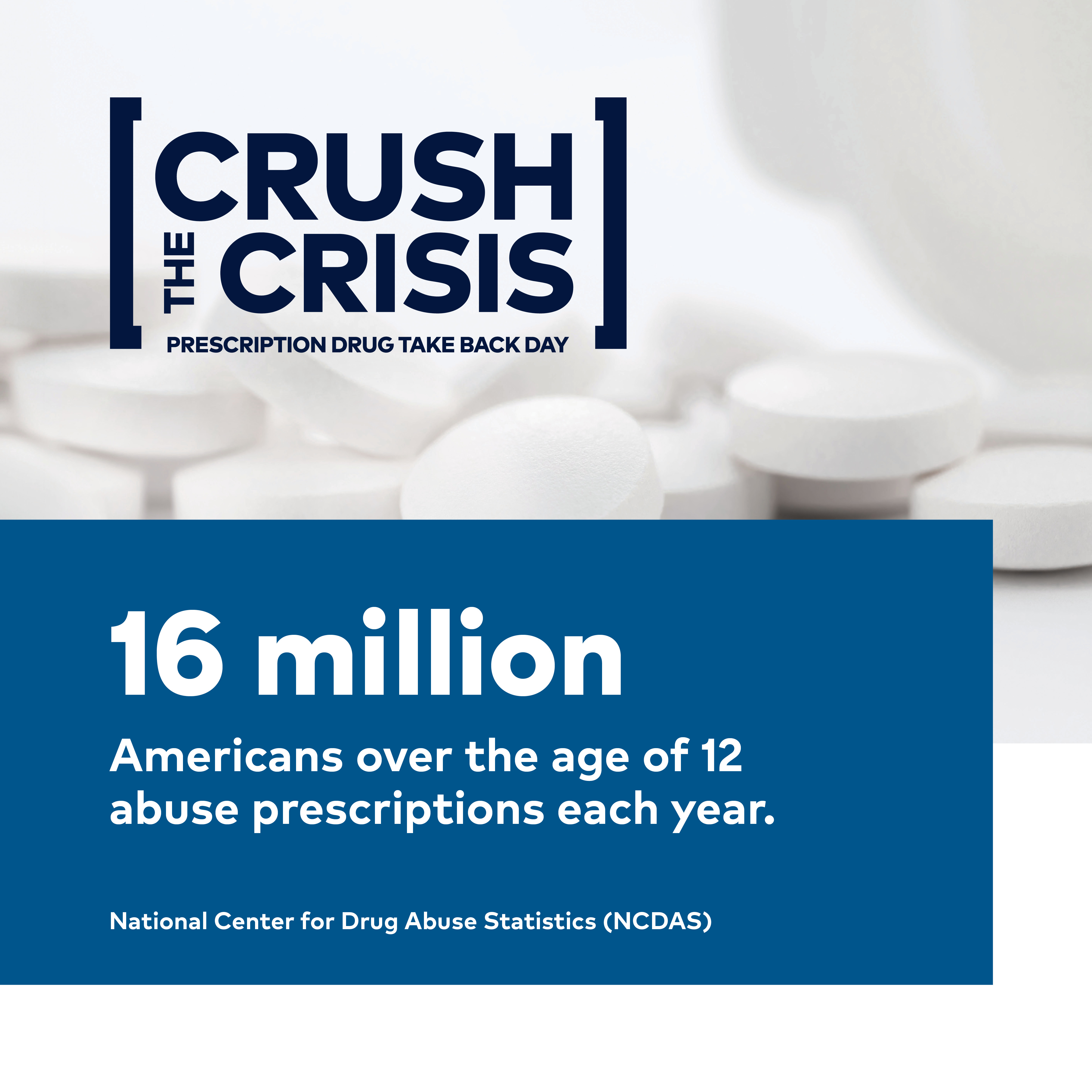
Crush the Crisis

  • Misusing prescription drugs is a serious health problem in the United States. However, there's good news: for the first time since 2018, the misuse of prescription drugs across the country is going down. The Centers for Disease Control and Prevention reported that about 107,543 people died from drug overdoses in the U.S. during 2023. This is a 3% drop from the estimated 111,029 deaths in 2022.

  • According to a 2022 national survey on drug use and health, 5 million people misused prescription pain relievers, 4.8 million misused prescription tranquilizers or sedatives, and 4.3 million misused prescription stimulants in 2022. The survey also found that most people got these misused prescription drugs from family and friends, often from medicine cabinets at home.


Know the Risks of Using Drugs

All drug use comes with risk. Know the facts before letting drugs take their toll on you and your family.

  • Drug use—including marijuana, cocaine, methamphetamine, as well as prescription drug misuse and illicit opioids—among adults is on the rise.

Different drugs pose different dangers. Drug use can lead to dependence and addiction, injury and accidents, health problems, sleep issues, and more. Drug use affects you and those close to you. Know there is help.

Do you or someone you know hide their drugs?

The Risks are Real

The pressures on adults are real. Building careers, buying homes, getting married, having kids, and trying to do it all well comes with a lot of pressure.  Some turn to drugs to cope. Just because some drugs are legal, doesn’t mean they are less dangerous.

Over time, the regular or habitual use of drugs becomes a crutch and only adds to the stress. Drugs can also cause other harms, including:

    • Cocaine: Highly addictive, cocaine is involved in nearly one in five overdose deaths; its health effects include asthma, bowel decay, and increased risk of HIV.

    • Methamphetamine (Meth): Meth causes devastating health effects, and sometimes death, even on the first try. Meth speeds up the body’s systems to dangerous levels. Chronic users experience anxiety, confusion, insomnia, paranoia, aggression, and more.

    • Prescription and illicit opioids: Highly addictive, the substances are the top cause of overdose deaths; health effects include confusion, nausea, constipation, coma, and brain damage.

    • Marijuana: Even though it is legal in many states, studies link marijuana use to various negative outcomes.

Before the risks become real and before drugs turn your life—and your family—upside down, know there is help. You can quit.


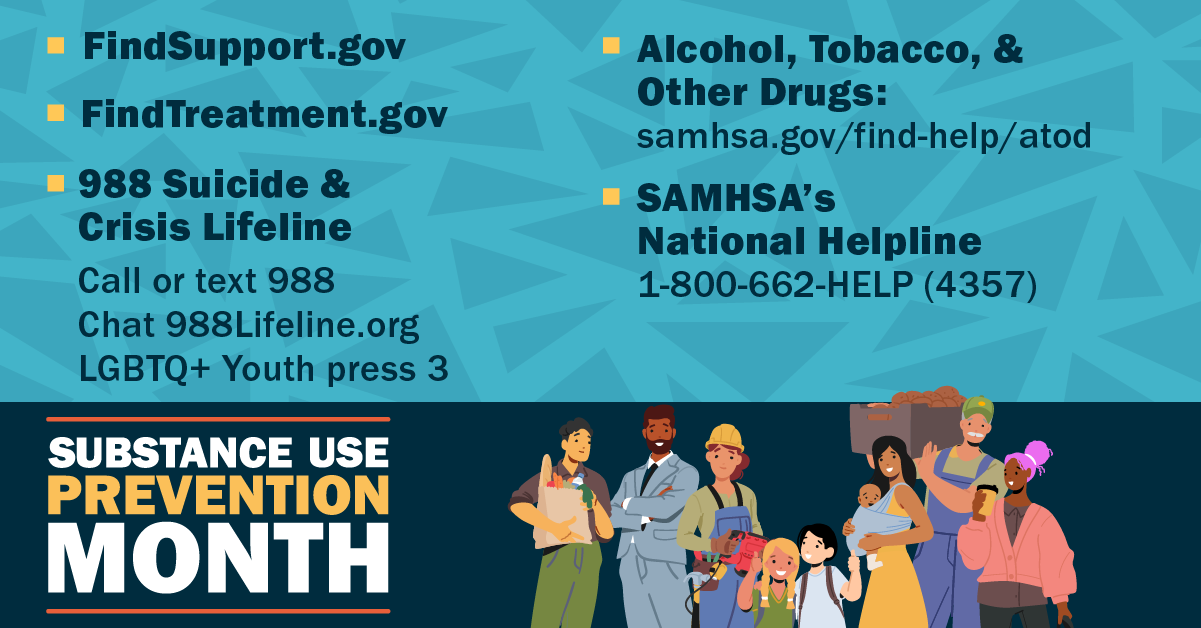
Graphic showing web addresses and phone numbers to get help for substance abuse

The Drug Enforcement Administration (DEA) has a website called Get Smart About Drugs with a variety of resources for parents, educators, and caregivers related to youth substance abuse prevention. Visit this website to stay informed about trends with drug use so you can talk to youth in your life about the impacts. The majority of teens say their parents or other trusted adults are the most important influence on their decisions about whether or not to drink or use drugs. Openly and routinely talking about substance use is one of the biggest protective factors. 

The following is from getsmartaboutdrugs.gov:

Over the past two decades research has helped us understand the unique risks of substance use during the teen years, a time when major changes are taking place in the brain. Introducing any addictive substance during this sensitive time can have both short- and long-term effects. It can interfere with healthy development — especially in the parts of the brain that control memory, learning, judgment and emotions. And it significantly increases the risk of lifetime addiction.

Even if your teen only uses once or once in a while, it can still cause damage and lead to negative consequences, including addiction. Symptoms of nicotine dependence often develop soon after first use. In the case of prescription pain relievers, even prescribed use during adolescence is associated with a higher risk of opioid addiction in early adulthood.

What works for prevention
 
A child’s sex, race, economic background or most other demographic characteristics can’t predict whether or not they’ll use substances. Everyone is different and some teens are at a higher or lower risk for substance use than others. But no child is immune, no matter their grades or how involved, or who they’re friends with.

There are many reasons why young people use or try substances. In some cases, it can be as simple as being offered a drink or vape. To encourage healthy decision making, we recommend parents focus on fostering their child’s:

  • mental health
  • sense of social support from friends and family
  • connection to school and community
  • knowledge and understanding of the risks of substance use
  • relationship with yourself and/or other caring adults

Schools can’t be the only source of information about substance use. Substance use prevention that involves the family has been found to be the most effective. Not all schools have adequate prevention programming, and no school is able to tailor its programming to the needs of each individual child.

Even if schools do have prevention strategies, parents play an even more important role in helping children navigate the world and make healthy decisions. You are uniquely positioned to identify early signs of trouble in your child’s life, many of which might not be noticeable to even the most-dedicated school professional. Regular and honest communication with your child is key.

Modeling healthy behavior
 
Modeling healthy behavior — which may include drinking responsibly — is a good thing. But allowing teens to use substances in a ‘safe’ or supervised manner sends the wrong message and doesn’t protect against future problems.

Alcohol use simply isn’t safe for young people. And evidence shows that starting use at a young age increases the chance of later addiction to one or more substances.

  • Adolescents whose parents allow use of drugs or alcohol in the home are more likely to engage in problem substance use, including heavy drinking.

  • Adolescents who drink with their parents or whose parents provide them with alcohol are more likely to drink in a high-risk manner well into adulthood.

There is a common misconception that the cultural norms around alcohol in Europe – which is more permissive of teen drinking – lead to better outcomes. The rates of alcohol problems among youth and adults are actually higher in Europe. According to international data from the World Health Organization (ESPAD), European teens consistently report higher levels of drinking, binge drinking and alcohol-related problems compared to youth in the United States.

Connecting and talking with your teen
Get tips on maintaining a strong bond with your child during the teen years, when your involvement can play a big role in preventing nicotine, alcohol and drug use.

An extra word of caution
Today’s substances are more harmful than those you may have been exposed to as a teen. Most substances today are more potent and addictive than in the past, and many are marketed in ways that directly appeal to kids.

Growing Up Drug Free: A Parents' Guide to Substance Abuse Prevention

Utah Suicide Facts

Suicide is the 6th leading cause of death in Utah

  • Utah ranks 7th in the nation for suicides
  • Utah ranks 5th in the nation for youth suicide deaths
  • It’s the 2nd leading cause of death for ages 10-17
  • In an average classroom size of 30…
          8 will report feeling sad and hopeless
          4 will have seriously considered suicide
          4 will have made a suicide plan
          2 will have attempted suicide one or more times
          1 will have had medical treatment for a suicide
    attempt

Suicide Warning Signs
Listed below are signs that someone may be at risk for suicide. Risk is greater if a behavior is new or has increased.

  • Talking about wanting to die or kill oneself
  • Looking for a way to kill oneself, such as searching online or buying a gun
  • Talking about feeling hopeless, having no reason to live, being trapped, in unbearable pain, or about being a burden to others
  • Increasing the use of alcohol or drugs
  • Acting anxious or agitated; behaving recklessly
  • Sleeping too little or too much
  • Withdrawing or feeling isolated
  • Showing rage or talking about seeking revenge
  • Displaying extreme mood swings
  • Experiencing relational, social, work, or financial loss

What To Do

  • Take any threat of suicide seriously.
  • Do not leave the person alone.
  • Listen to and don’t judge anyone you think may be in trouble.
  • Take action.
  • Suicidal crises are often time limited. Taking safety precautions can help save a life.

FIREARMS—Lock, Limit, Remove

  • Store guns safely and securely when not in use.
  • Consider temporary off-site storage if a family member may be suicidal. Friends, some gun shops, or
    police departments may be willing to store them for you temporarily.

MEDICATIONS—Lock, Limit, Remove

  • Never keep lethal doses on hand. A pharmacist can advise you on safe quantities of medications.
  • Lock up medications. Properly dispose of medications when no longer needed.
  • Remove medications from the home when a family member may be suicidal.

SUPPORT—Listen and Ask

  • Be aware of the warning signs of suicide, which are not always obvious.
  • Pay attention to the moods and behavior of your family and friends.
  • Ask family and friends if they‘re thinking about suicide and get them help, if you notice significant changes in moods and behavior.

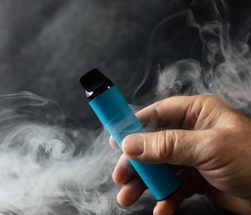
Blue vape cartridge close up with hand holding it and smoke

A harmful health behavior in Draper among teens and young adults is vaping, or the use of electronic cigarettes. Although vaping is often equated with smoking tobacco since many vaping products contain nicotine, School Resource Officers report that THC (the psychoactive ingredient in marijuana) vaping has become more prevalent in schools in recent years. 

Canyons School District shared the following data from the Utah Student Health and Risk Prevention (SHARP) survey related to these trends. The SHARP survey is administered to students voluntarily (with parent permission) in grades 6, 8, 10, and 12 and asks questions about youth’s experience with risky or harmful behaviors. 52,679 students participated in the survey statewide in 2023. The percentages below reflect lifetime usage for Canyons School District students. 

Cigarettes and Vaping Products

6th: 2021 - 3.1%
        2023 - 2.4%
↓

8th: 2021 - 6.5%
        2023 - 2.3%
↓

10th: 2021 - 7.9%
          2023 - 7.3%
↓

12th: 2021 - 9.6%
          2023 - 11.3%
↑

Although three out of four grades have decreased use since 2021, Canyons School District stats are above the state average, except in 8th grade, where the State is 3.3% higher.

Marijuana

6th: 2021 - 2.3%
        2023 - 2.1%
↓

8th: 2021 - 7.3%
        2023 - 5.3%
↓

10th: 2021-13.7%
          2023- 14.5%
↑

12th: 2021-27.9%
          2023- 21.8%
↓

Again, although three out of four grades have decreased use since 2021, Canyons School District stats are above the state average.

So, what can we do to help? Talk to kids about the health risks. Ask in a non-judgmental, concerned way if they have tried vaping. Also watch for signs that could be related such as new smells (fruity or other scents), e-cigarette supplies like cartridges, or new health issues like coughing or wheezing. If they are vaping, offer support and motivation to quit. The teenage years are the most important time for brain development so we must do what we can to protect teen brains from harmful substances.

Additional Wellness Information from our Coalition Partners

Lone Peak Hospital (MountainStar Healthcare) offers the following free service that may be a helpful resource for the community. 

Consult-a-Nurse

Consult-a-Nurse is a 24/7 phone line where you can speak to a nurse free of charge, no matter your insurance. Call (844) 706-8773. Visit MountainStar.com/ConsultANurse for more information. 

Salt Lake County - Draper Senior Center

The Draper Senior Center offers lunch service, programs, and activities for community members ages 60+. 

Salt Lake County Aging and Adult Services also offers a Virtual Senior Center for seniors who are not able to visit senior centers in person.

Contact Us

National Suicide Prevention Lifeline
Call or Text 988

Mental Health & Suicide Prevention Resources
namiut.org
safeut.org

Draper Wellness Coalition
Email Draper Wellness
(801) 576-6527

1020 E. Pioneer Road
Draper, UT 84020
Map to City Hall